The First Celebration of the International Day of Underwater Cultural Heritage at the Maritime Museum Piran
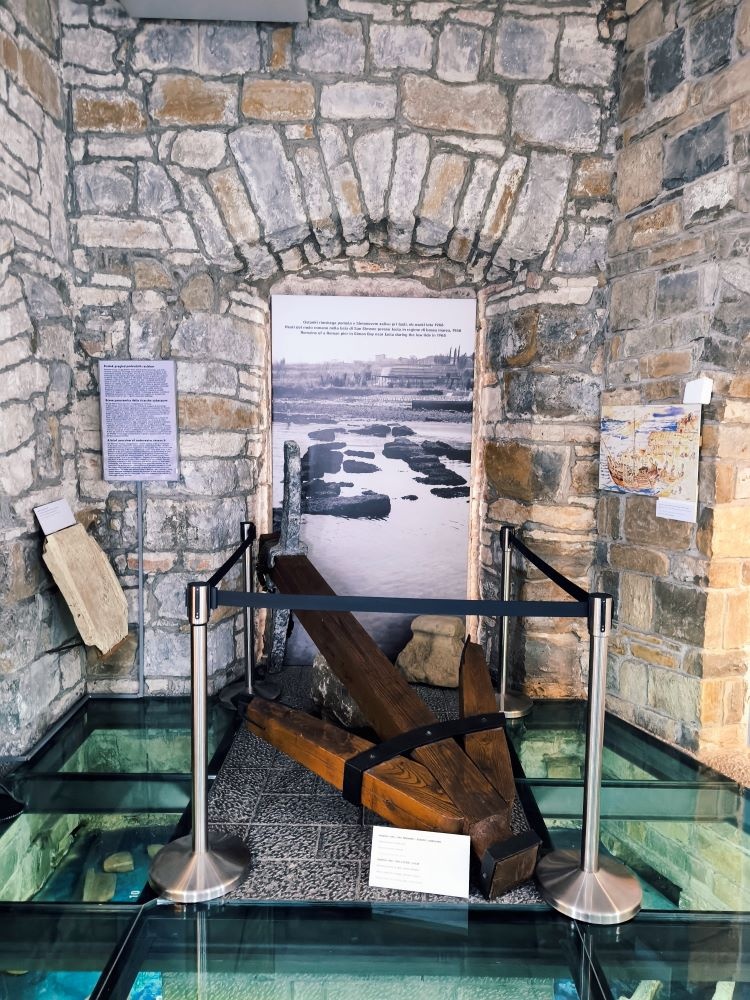
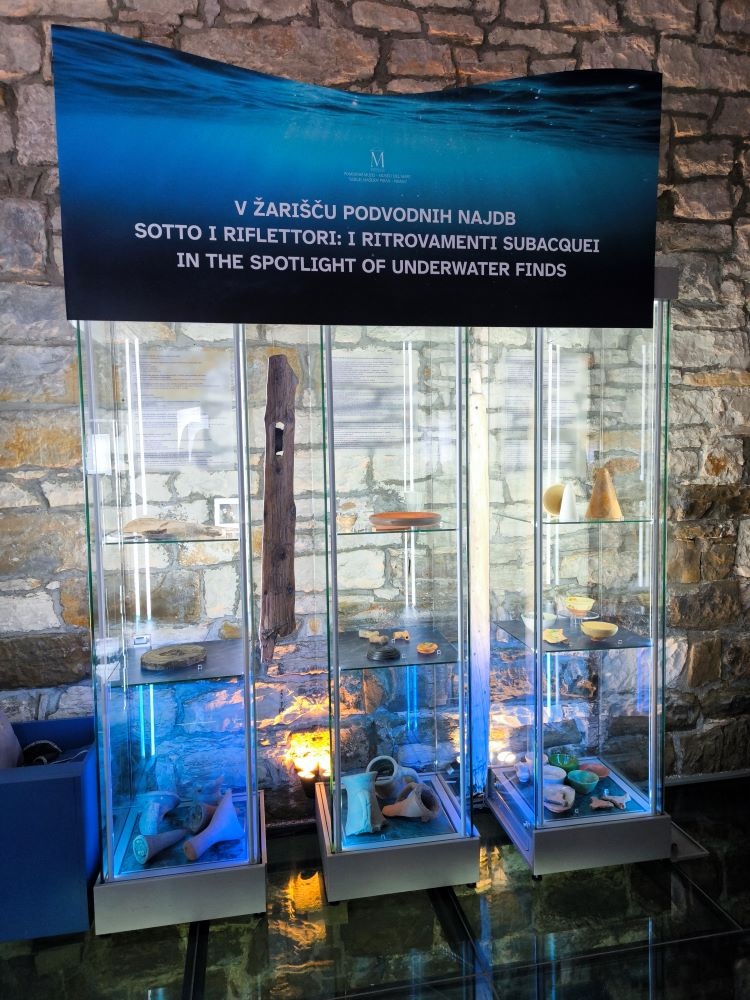
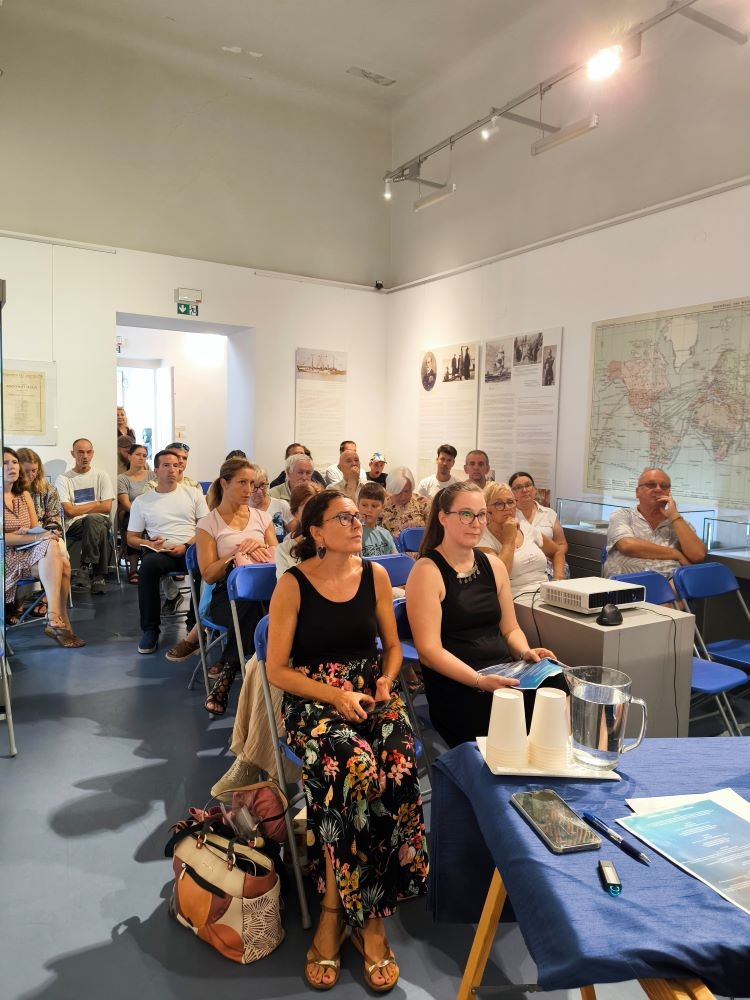
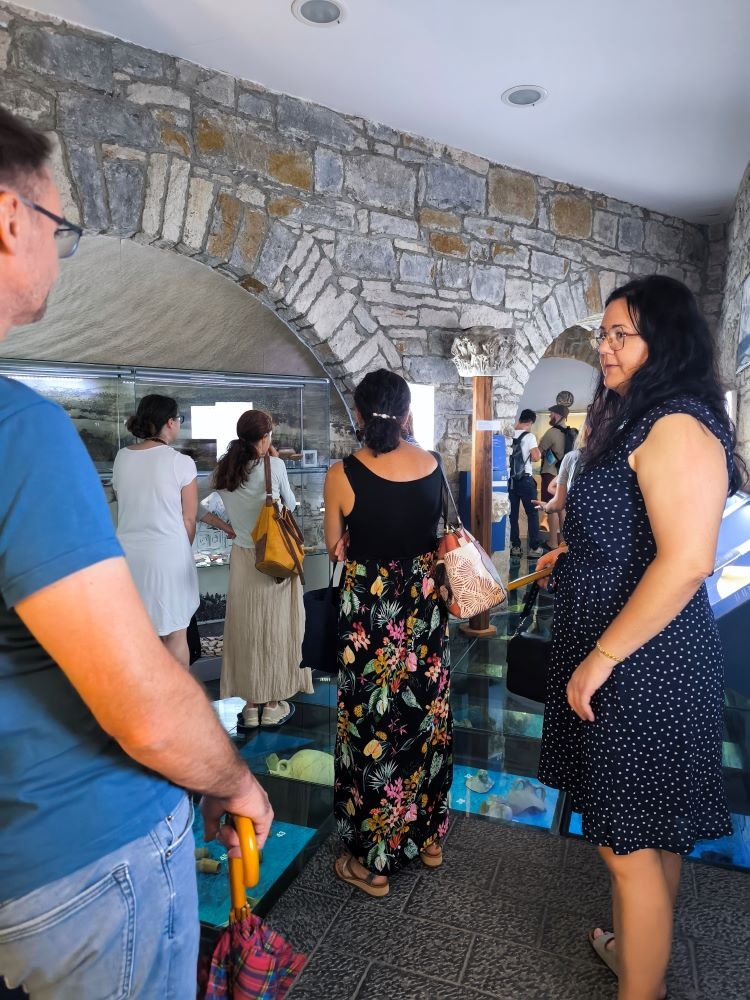
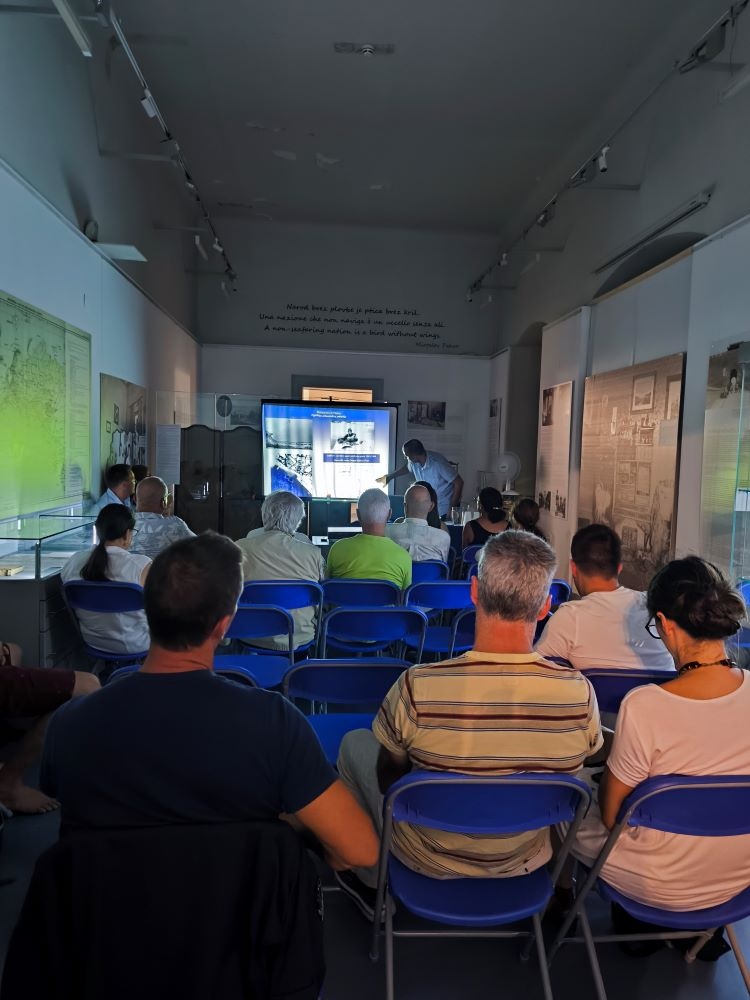
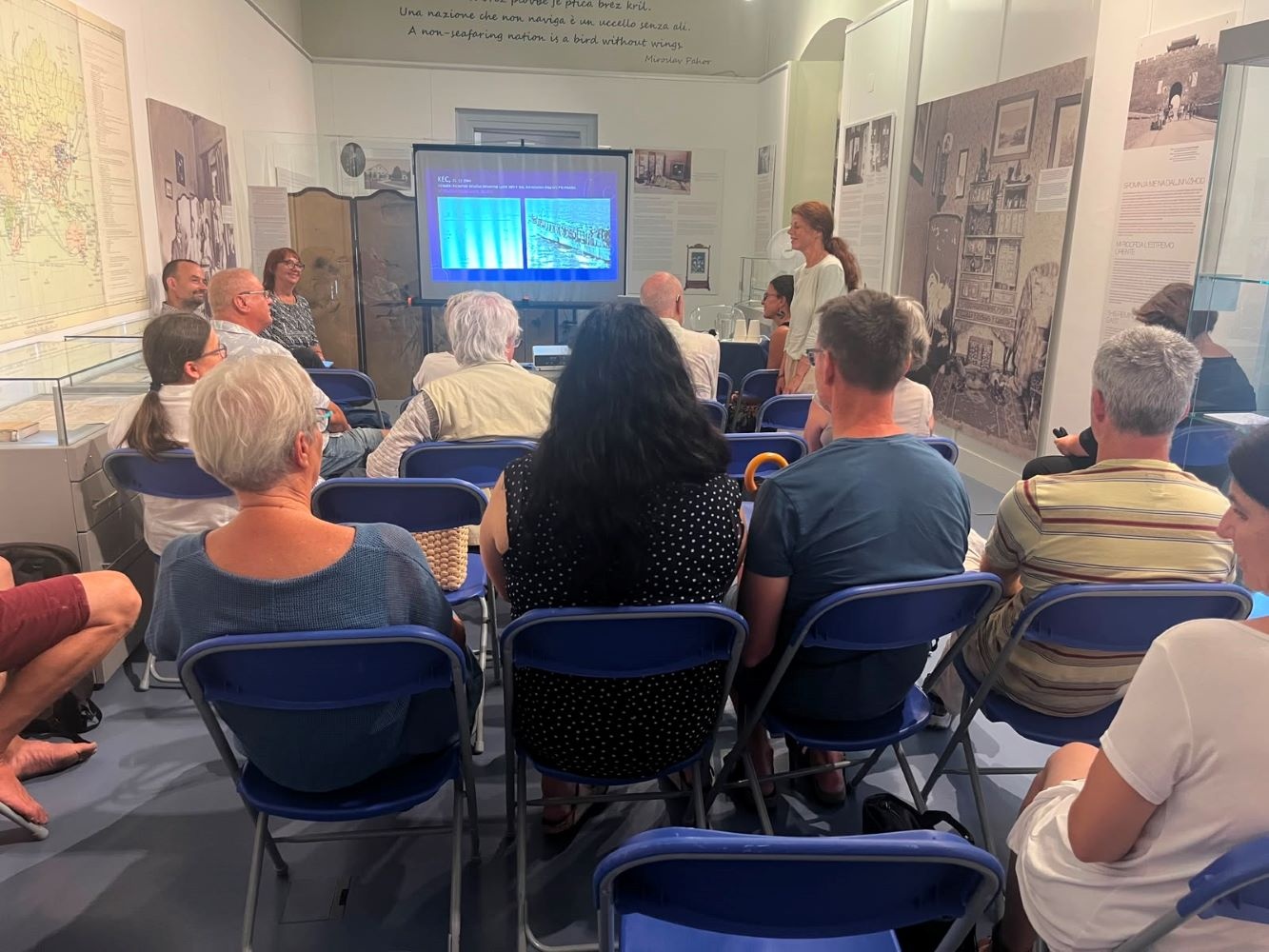
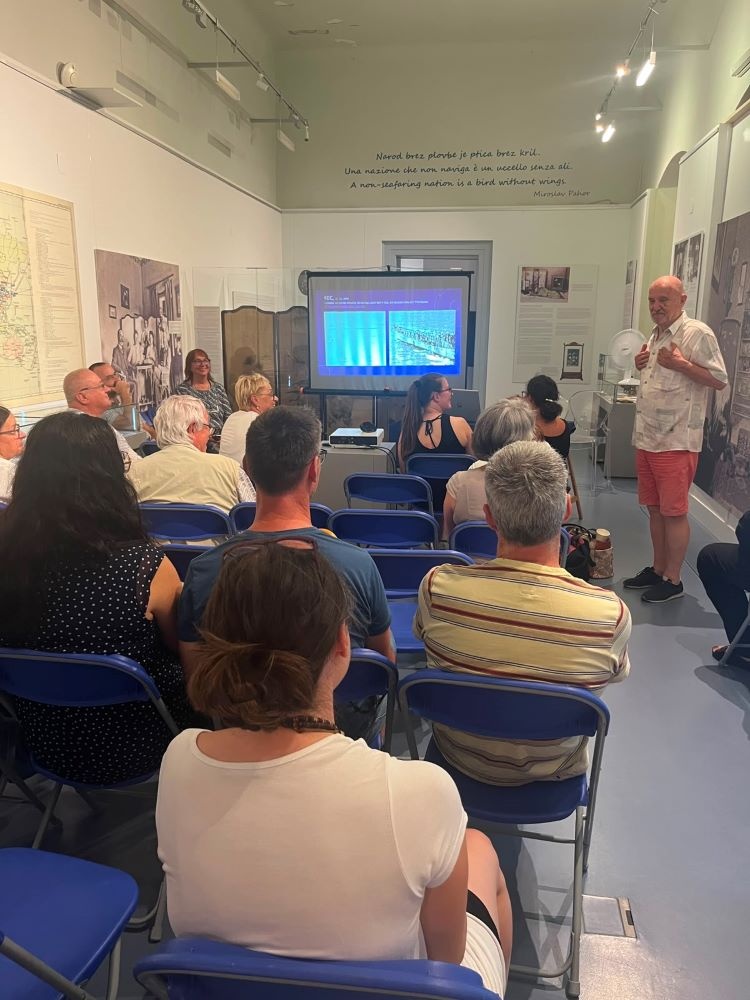
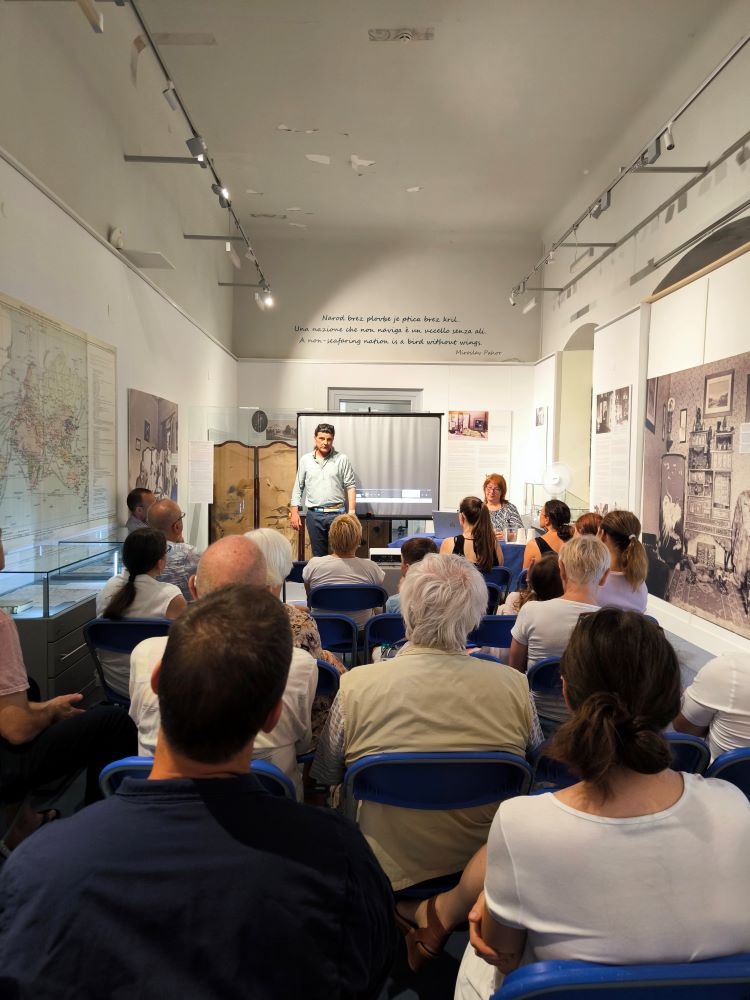
On Friday, August 21, 2026, the "Sergej Mašera" Maritime Museum Piran marked the first-ever International Day of Underwater Cultural Heritage—proclaimed by UNESCO in 2025—with a prominent professional event titled "In the Focus of Underwater Finds." To mark the occasion, the museum hosted a series of expert lectures and opened an expanded permanent archaeological exhibition. Despite the exceptional summer heat, the venue remained packed with visitors who closely followed the program from 9:00 AM to 1:30 PM. The event concluded with a guided tour of the exhibition and an opportunity for socializing over refreshments.
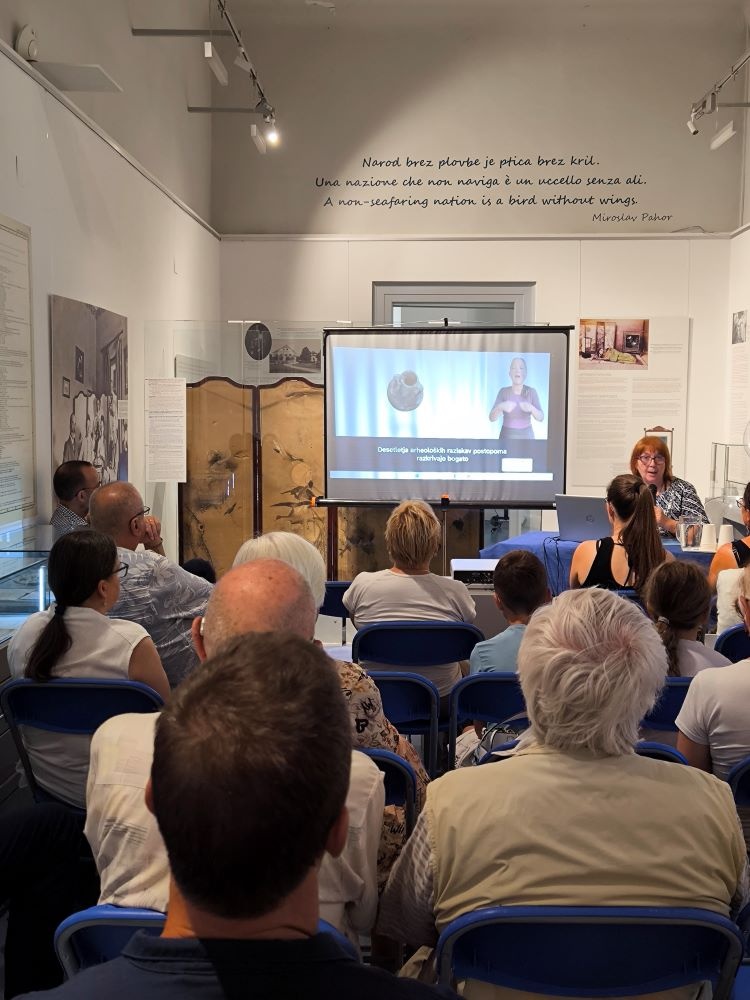
The event coordinator and author of the exhibition expansion was curator Snježana Karinja, while the visual design was created by Mateja Tomažinčič, Riiba. d.o.o. The latter also edited the accompanying film, which features audio description, subtitles, and Slovenian sign language interpretation to ensure accessibility for vulnerable groups. The Slovenian translation was provided by Maja Kuzma Ganič.
The attendees were initially addressed by the Acting Director of the museum, Uroš Hribar. He emphasized the importance of preserving and presenting underwater heritage, a mission deeply intertwined with the history of the Piran museum, which became the first institution in Slovenia to systematically engage with this field after World War II. He noted that the museum is proud to continue, build upon, and jointly celebrate this tradition on the International Day of Underwater Cultural Heritage.
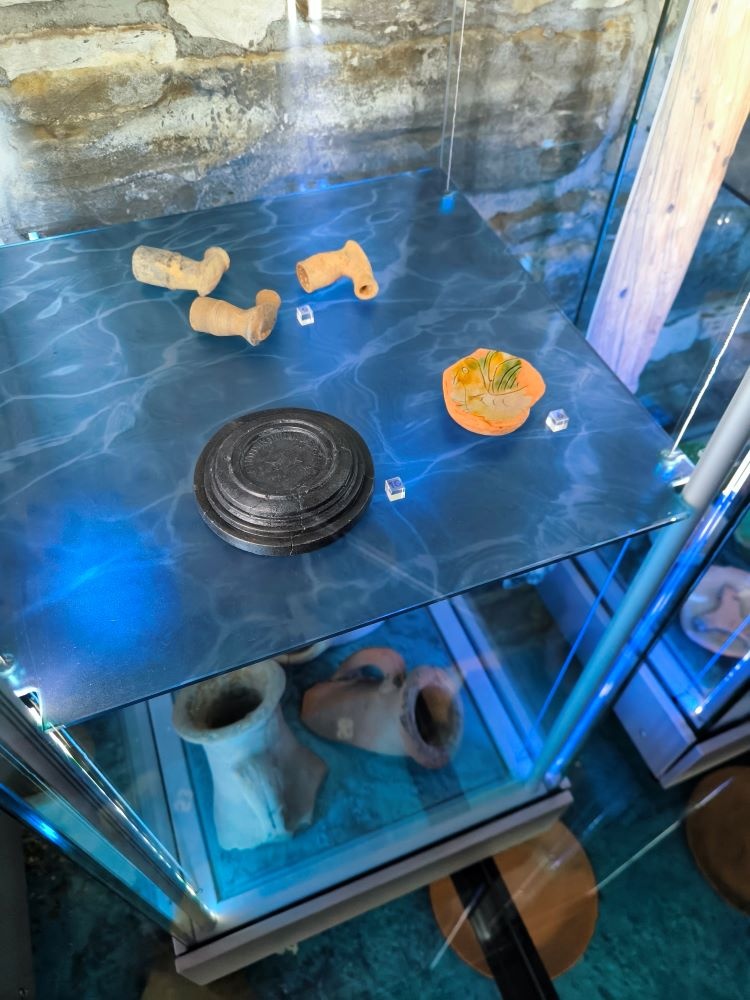
Snježana Karinja presented the development of underwater archaeology in Slovenia, focusing on movable finds, recent acquisitions, and exhibited artifacts, while also introducing a new film that has now become part of the permanent display.
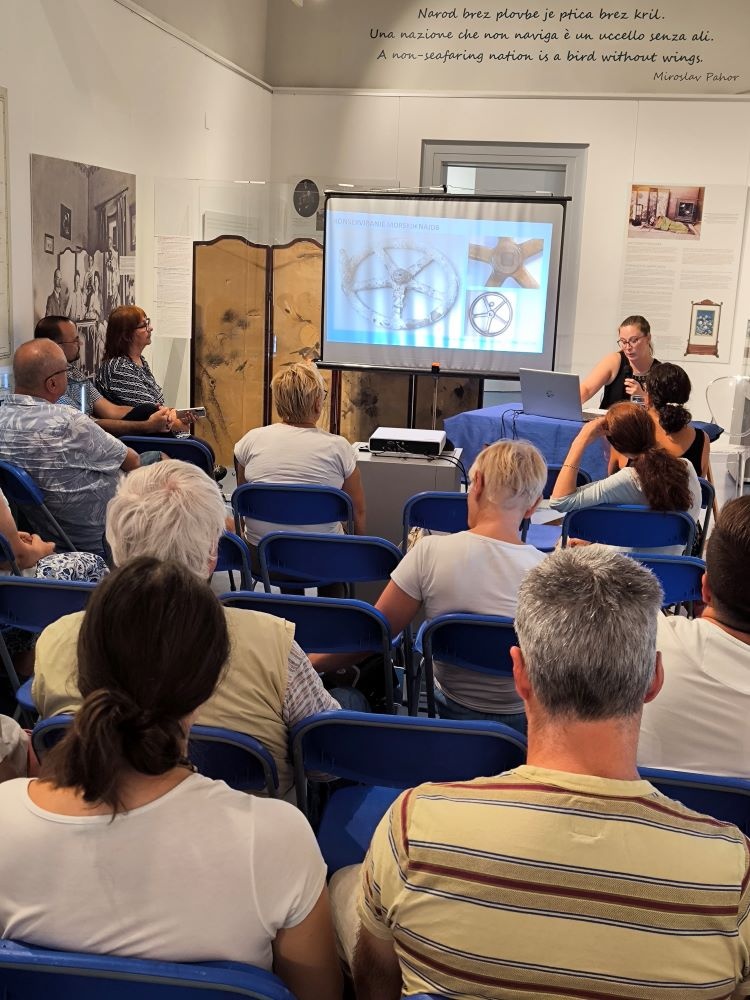
Conservator Ajda Purger used practical examples to outline the procedures and complex challenges experts face when retrieving marine finds.
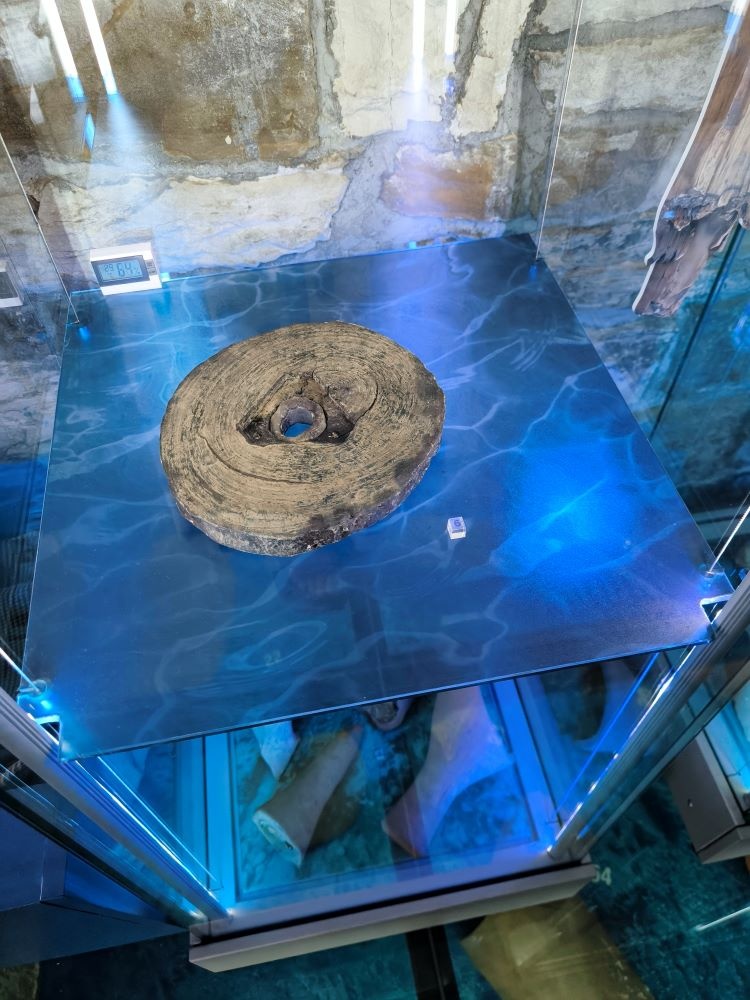
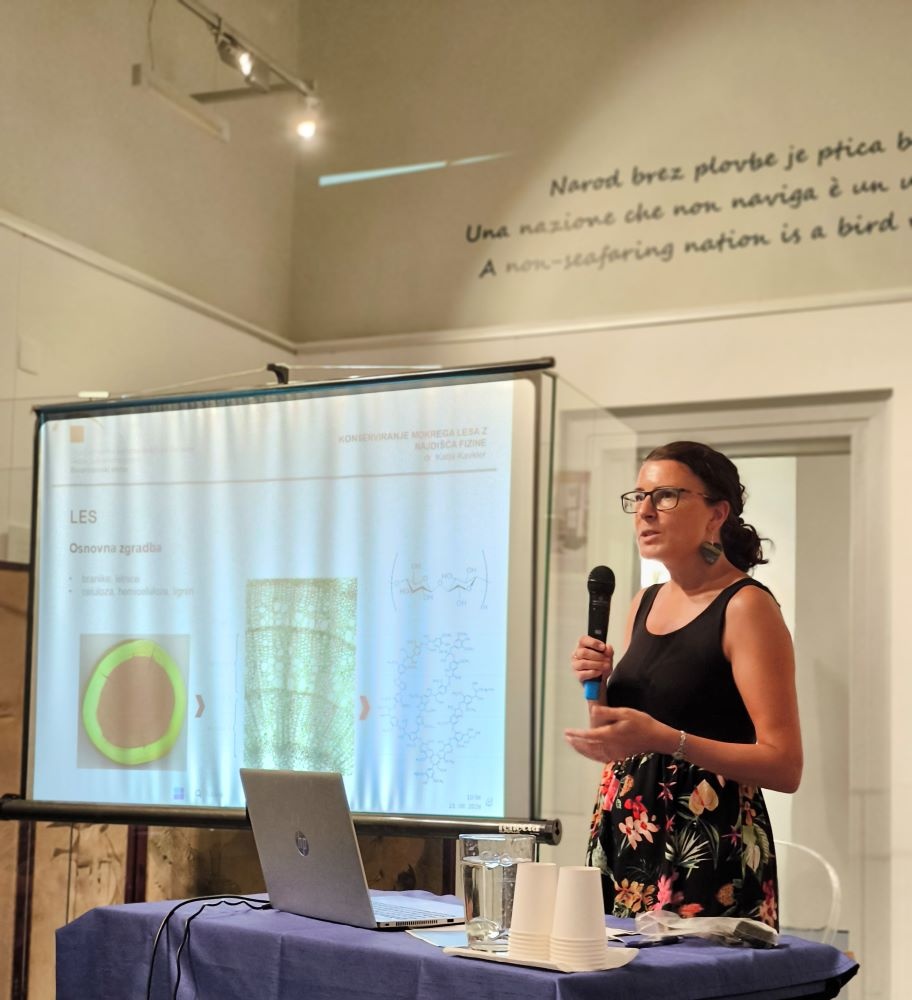
Dr. Katja Kavkler focused her contribution on specific methodological approaches to the conservation of wet wood, illustrating this in detail with the case of the finds from Fizine.
Dr. Andrej Gaspari presented the latest findings from the archaeological excavations in Fizine, ranging from the ancient and late antique settlement to the significance of individual movable finds within a broader historical context.
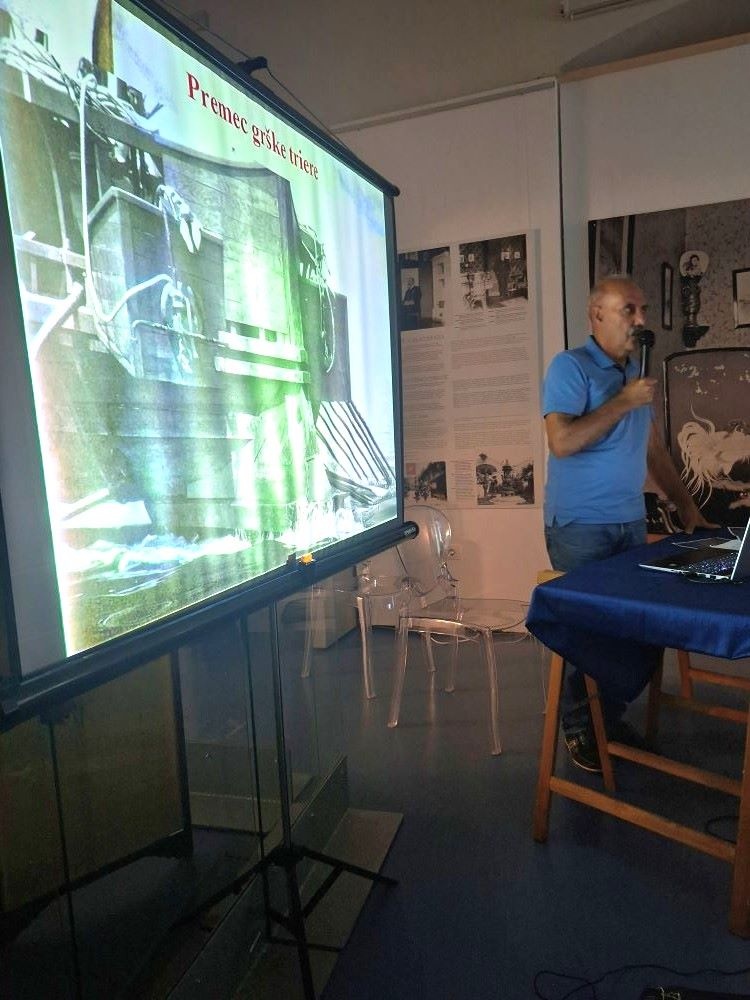
Dr. Flavio Bonin presented the development of galleys and the history of sunken galleys in the Bay of Koper through archival sources. His lecture also highlighted fascinating calculations regarding the power, speed, and endurance of rowers, alongside data on their diet.Finally,
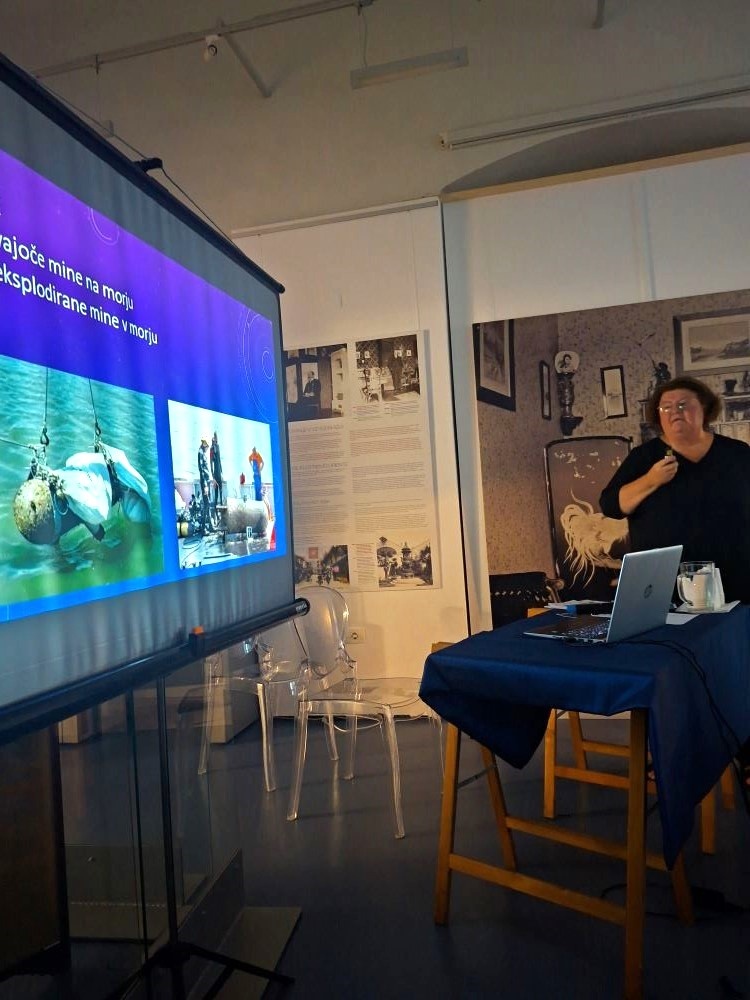
Dr. Nadja Terčon's lecture, "Stories of Sunken Vessels of the 20th Century," outlined the circumstances surrounding the loss and transformation of individual underwater heritage sites from World War II. She shed light on the fate of the most famous wrecks at the bottom of our sea and revealed the historical reasons behind their current state.
The event demonstrated that safeguarding underwater cultural heritage demands close cooperation among various disciplines, institutions, and individuals. The success of this collaborative spirit was proven by the many visitors who left with new knowledge and a profound awareness that the treasures beneath the sea are neither forgotten nor lost, but remain a precious part of our shared heritage.